
[:de][fusion_builder_container hundred_percent=“no“ hundred_percent_height=“no“ hundred_percent_height_scroll=“no“ hundred_percent_height_center_content=“yes“ equal_height_columns=“no“ menu_anchor=““ hide_on_mobile=“small-visibility,medium-visibility,large-visibility“ status=“published“ publish_date=““ class=““ id=““ link_color=““ link_hover_color=““ border_size=““ border_color=““ border_style=“solid“ margin_top=““ margin_bottom=““ padding_top=““ padding_right=““ padding_bottom=““ padding_left=““ gradient_start_color=““ gradient_end_color=““ gradient_start_position=“0″ gradient_end_position=“100″ gradient_type=“linear“ radial_direction=“center center“ linear_angle=“180″ background_color=““ background_image=““ background_position=“center center“ background_repeat=“no-repeat“ fade=“no“ background_parallax=“none“ enable_mobile=“no“ parallax_speed=“0.3″ background_blend_mode=“none“ video_mp4=““ video_webm=““ video_ogv=““ video_url=““ video_aspect_ratio=“16:9″ video_loop=“yes“ video_mute=“yes“ video_preview_image=““ filter_hue=“0″ filter_saturation=“100″ filter_brightness=“100″ filter_contrast=“100″ filter_invert=“0″ filter_sepia=“0″ filter_opacity=“100″ filter_blur=“0″ filter_hue_hover=“0″ filter_saturation_hover=“100″ filter_brightness_hover=“100″ filter_contrast_hover=“100″ filter_invert_hover=“0″ filter_sepia_hover=“0″ filter_opacity_hover=“100″ filter_blur_hover=“0″][fusion_builder_row][fusion_builder_column type=“1_1″ layout=“1_1″ spacing=““ center_content=“no“ link=““ target=“_self“ min_height=““ hide_on_mobile=“small-visibility,medium-visibility,large-visibility“ class=““ id=““ hover_type=“none“ border_size=“0″ border_color=““ border_style=“solid“ border_position=“all“ border_radius=““ box_shadow=“no“ dimension_box_shadow=““ box_shadow_blur=“0″ box_shadow_spread=“0″ box_shadow_color=““ box_shadow_style=““ padding_top=““ padding_right=““ padding_bottom=““ padding_left=““ margin_top=““ margin_bottom=““ background_type=“single“ gradient_start_color=““ gradient_end_color=““ gradient_start_position=“0″ gradient_end_position=“100″ gradient_type=“linear“ radial_direction=“center center“ linear_angle=“180″ background_color=““ background_image=““ background_image_id=““ background_position=“left top“ background_repeat=“no-repeat“ background_blend_mode=“none“ animation_type=““ animation_direction=“left“ animation_speed=“0.3″ animation_offset=““ filter_type=“regular“ filter_hue=“0″ filter_saturation=“100″ filter_brightness=“100″ filter_contrast=“100″ filter_invert=“0″ filter_sepia=“0″ filter_opacity=“100″ filter_blur=“0″ filter_hue_hover=“0″ filter_saturation_hover=“100″ filter_brightness_hover=“100″ filter_contrast_hover=“100″ filter_invert_hover=“0″ filter_sepia_hover=“0″ filter_opacity_hover=“100″ filter_blur_hover=“0″ last=“no“][fusion_text columns=““ column_min_width=““ column_spacing=““ rule_style=“default“ rule_size=““ rule_color=““ hide_on_mobile=“small-visibility,medium-visibility,large-visibility“ class=““ id=““ animation_type=““ animation_direction=“left“ animation_speed=“0.3″ animation_offset=““]

Die Energiewende verlagert sich zunehmend in die Niederspannungsnetze: Photovoltaik, Elektromobilität, Wärmepumpen und Heimspeicher treiben sowohl die Einspeisung als auch die Lastspitzen in die Höhe. Damit wachsen die Herausforderungen für die Netzstabilität, gleichzeitig entstehen jedoch auch erhebliche wirtschaftliche Potenziale durch die intelligente Nutzung von Flexibilität.

Ein neues Impulspapier aus dem Projektverbund WARAN, das ebenfalls mit dem SISSY-Konsortium (beide Projekte werden durch das BMWE gefördert) abgestimmt wurde, zeigt, wie die bestehende Infrastruktur des intelligenten Messsystems (iMSys) von einer primär kurativen hin zu einer präventiven, am Markt ausgerichteten Steuerung weiterentwickelt werden kann. Im Zentrum steht dabei das Konzept der Hüllkurve.

Von der Ad-hoc-Steuerung zur präventiven Flexibilitätslenkung

Bislang ist die netzorientierte Steuerung in der Niederspannung vor allem als Ultima Ratio ausgeprägt, beispielsweise über § 14a EnWG oder § 9 EEG. Diese Instrumente ermöglichen eine unmittelbare Leistungsbegrenzung in Engpasssituationen.

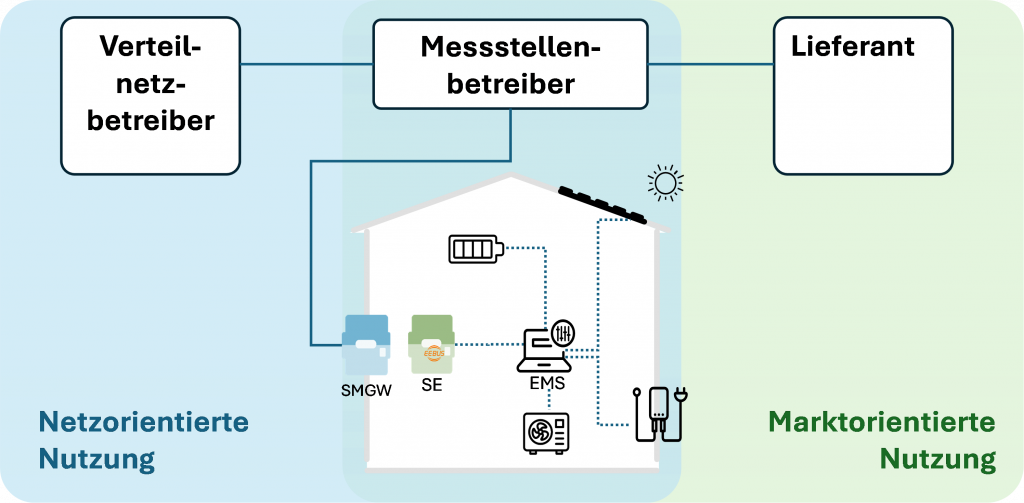
Die Hüllkurve setzt früher an: Sie definiert für zukünftige Zeitintervalle einen Leistungsrahmen (maximale und optionale minimale Bezugs- oder Einspeisewerte), innerhalb dessen ein Energiemanagementsystem die angeschlossenen Anlagen optimieren kann. Technisch basiert das Konzept auf dem EEBUS-Use-Case „Power Envelope (POEN)” und nutzt die standardisierte, cybersichere Infrastruktur aus Smart-Meter-Gateway und Steuerungseinrichtung.

Damit wird das iMSys zur Plattform für die vorausschauende, koordinierte Flexibilitätsnutzung, die sowohl netz- als auch marktorientiert ist.

Mehrwert für VNB: Planbarkeit statt Eingriff

Die Hüllkurve eröffnet Verteilnetzbetreibern die Möglichkeit, Engpässe bereits im Day-Ahead-Horizont zu adressieren. Anstelle eines kurzfristigen Eingriffs kann eine prognosebasierte Leistungsgrenze übermittelt werden, die:

Die Hüllkurve ist dabei klar unterhalb der Ad-hoc-Notfallsteuerung priorisiert – kurative Signale behalten stets Vorrang. Dies schafft Transparenz und Nachvollziehbarkeit für alle Beteiligten.

Neue Optionen für Lieferanten und Flexibilitätsvermarkter

Auch für Energieversorger und Aggregatoren entsteht ein skalierbarer, standardisierter Steuerpfad über das iMSys. Die Hüllkurve kann dabei genutzt werden für:

Der zentrale Vorteil: es ist keine proprietäre Zusatzhardware erforderlich. Die Steuerung erfolgt über die ohnehin ausgerollte, sichere Infrastruktur des Messstellenbetreibers. Gerade vor dem Hintergrund regulatorischer Öffnungen und wachsender Flexibilitätsmärkte entsteht so ein attraktives Spielfeld für neue Geschäftsmodelle.
[/fusion_text][fusion_separator style_type=“default“ hide_on_mobile=“small-visibility,medium-visibility,large-visibility“ class=““ id=““ sep_color=““ top_margin=““ bottom_margin=““ border_size=““ icon=““ icon_size=““ icon_circle=““ icon_circle_color=““ width=““ alignment=“center“ /][fusion_imageframe image_id=“20062|fusion-800″ max_width=““ style_type=““ blur=““ stylecolor=““ hover_type=“none“ bordersize=““ bordercolor=““ borderradius=““ align=“none“ lightbox=“no“ gallery_id=““ lightbox_image=““ lightbox_image_id=““ alt=““ link=““ linktarget=“_self“ hide_on_mobile=“small-visibility,medium-visibility,large-visibility“ class=““ id=““ animation_type=““ animation_direction=“left“ animation_speed=“0.3″ animation_offset=““ filter_hue=“0″ filter_saturation=“100″ filter_brightness=“100″ filter_contrast=“100″ filter_invert=“0″ filter_sepia=“0″ filter_opacity=“100″ filter_blur=“0″ filter_hue_hover=“0″ filter_saturation_hover=“100″ filter_brightness_hover=“100″ filter_contrast_hover=“100″ filter_invert_hover=“0″ filter_sepia_hover=“0″ filter_opacity_hover=“100″ filter_blur_hover=“0″]https://www.ppc.d-f.cc/wp-content/uploads/2026/03/Huellkurve_Impulspapier_Netz_und_Markt_web-800×393.png[/fusion_imageframe][fusion_separator style_type=“default“ hide_on_mobile=“small-visibility,medium-visibility,large-visibility“ class=““ id=““ sep_color=““ top_margin=““ bottom_margin=““ border_size=““ icon=““ icon_size=““ icon_circle=““ icon_circle_color=““ width=““ alignment=“center“ /][fusion_text columns=““ column_min_width=““ column_spacing=““ rule_style=“default“ rule_size=““ rule_color=““ hide_on_mobile=“small-visibility,medium-visibility,large-visibility“ class=““ id=““ animation_type=““ animation_direction=“left“ animation_speed=“0.3″ animation_offset=““]

Die Rolle des Messstellenbetreibers: Koordinator und Konfliktlöser

Der Messstellenbetreiber übernimmt als neutraler Steuerungs-Administrator eine Schlüsselrolle. Er prüft Berechtigungen, verarbeitet Steueranfragen und bildet bei parallelen Anforderungen von Netz und Markt ein sogenanntes Residualprofil.

Das stellt sicher, dass mehrere Hüllkurven konfliktfrei zusammengeführt werden – mit klarer Priorisierung und transparenter Rückmeldung an die beteiligten Marktpartner.

Unser Beitrag zur Branchendiskussion

In den Projekten WARAN und SISSY sind dabei Schlüsselunternehmen aus verschiedensten Branchen vertreten, die ihre Kompetenzen zum Weiterdenken der Steuerung einbringen.

Das Impulspapier versteht sich als fachlicher Diskussionsbeitrag zur Weiterentwicklung der iMSys-basierten Steuerung. Es zeigt auf, wie technische Standards, regulatorische Rahmenbedingungen und praktische Projekterfahrungen zusammengeführt werden können, um Flexibilität effizient, sicher und wirtschaftlich nutzbar zu machen.

Die Hüllkurve ist damit mehr als nur ein technisches Detail: Sie ist ein Baustein für die systemdienliche und marktintegrierte Orchestrierung haushaltsnaher Flexibilität und ein weiterer Schritt, um das Smart Meter Gateway zum zentralen Sensor und Steuerungsknoten im Netz weiterzuentwickeln.
[/fusion_text][fusion_button link=“https://www.ppc.d-f.cc/wp-content/uploads/2026/03/Huellkurve_Impulspapier_WARAN_SISSY.pdf“ text_transform=““ title=““ target=“_blank“ link_attributes=““ alignment=“center“ modal=““ hide_on_mobile=“small-visibility,medium-visibility,large-visibility“ class=““ id=““ color=“custom“ button_gradient_top_color=“#2b4867″ button_gradient_bottom_color=“#2b4867″ button_gradient_top_color_hover=“#ffffff“ button_gradient_bottom_color_hover=“#ffffff“ accent_color=““ accent_hover_color=“#2b4867″ type=““ bevel_color=““ border_width=““ border_radius=““ border_color=““ border_hover_color=““ size=““ stretch=“default“ icon=“fa-external-link-alt fas“ icon_position=“left“ icon_divider=“no“ animation_type=““ animation_direction=“left“ animation_speed=“0.3″ animation_offset=““]Zum Impulspapier Hüllkurve[/fusion_button][/fusion_builder_column][/fusion_builder_row][/fusion_builder_container][:en][fusion_builder_container hundred_percent=“no“ hundred_percent_height=“no“ hundred_percent_height_scroll=“no“ hundred_percent_height_center_content=“yes“ equal_height_columns=“no“ menu_anchor=““ hide_on_mobile=“small-visibility,medium-visibility,large-visibility“ status=“published“ publish_date=““ class=““ id=““ link_color=““ link_hover_color=““ border_size=““ border_color=““ border_style=“solid“ margin_top=““ margin_bottom=““ padding_top=““ padding_right=““ padding_bottom=““ padding_left=““ gradient_start_color=““ gradient_end_color=““ gradient_start_position=“0″ gradient_end_position=“100″ gradient_type=“linear“ radial_direction=“center center“ linear_angle=“180″ background_color=““ background_image=““ background_position=“center center“ background_repeat=“no-repeat“ fade=“no“ background_parallax=“none“ enable_mobile=“no“ parallax_speed=“0.3″ background_blend_mode=“none“ video_mp4=““ video_webm=““ video_ogv=““ video_url=““ video_aspect_ratio=“16:9″ video_loop=“yes“ video_mute=“yes“ video_preview_image=““ filter_hue=“0″ filter_saturation=“100″ filter_brightness=“100″ filter_contrast=“100″ filter_invert=“0″ filter_sepia=“0″ filter_opacity=“100″ filter_blur=“0″ filter_hue_hover=“0″ filter_saturation_hover=“100″ filter_brightness_hover=“100″ filter_contrast_hover=“100″ filter_invert_hover=“0″ filter_sepia_hover=“0″ filter_opacity_hover=“100″ filter_blur_hover=“0″][fusion_builder_row][fusion_builder_column type=“1_1″ layout=“1_1″ spacing=““ center_content=“no“ link=““ target=“_self“ min_height=““ hide_on_mobile=“small-visibility,medium-visibility,large-visibility“ class=““ id=““ hover_type=“none“ border_size=“0″ border_color=““ border_style=“solid“ border_position=“all“ border_radius=““ box_shadow=“no“ dimension_box_shadow=““ box_shadow_blur=“0″ box_shadow_spread=“0″ box_shadow_color=““ box_shadow_style=““ padding_top=““ padding_right=““ padding_bottom=““ padding_left=““ margin_top=““ margin_bottom=““ background_type=“single“ gradient_start_color=““ gradient_end_color=““ gradient_start_position=“0″ gradient_end_position=“100″ gradient_type=“linear“ radial_direction=“center center“ linear_angle=“180″ background_color=““ background_image=““ background_image_id=““ background_position=“left top“ background_repeat=“no-repeat“ background_blend_mode=“none“ animation_type=““ animation_direction=“left“ animation_speed=“0.3″ animation_offset=““ filter_type=“regular“ filter_hue=“0″ filter_saturation=“100″ filter_brightness=“100″ filter_contrast=“100″ filter_invert=“0″ filter_sepia=“0″ filter_opacity=“100″ filter_blur=“0″ filter_hue_hover=“0″ filter_saturation_hover=“100″ filter_brightness_hover=“100″ filter_contrast_hover=“100″ filter_invert_hover=“0″ filter_sepia_hover=“0″ filter_opacity_hover=“100″ filter_blur_hover=“0″ last=“no“][fusion_text columns=““ column_min_width=““ column_spacing=““ rule_style=“default“ rule_size=““ rule_color=““ hide_on_mobile=“small-visibility,medium-visibility,large-visibility“ class=““ id=““ animation_type=““ animation_direction=“left“ animation_speed=“0.3″ animation_offset=““]

The energy transition is increasingly shifting to low-voltage grids: photovoltaics, electromobility, heat pumps, and home storage systems are driving up both feed-in and peak loads. This poses growing challenges for grid stability, but at the same time, the intelligent use of flexibility offers considerable economic potential.

A new position paper from the WARAN project network, which was also coordinated with the SISSY consortium (both projects are funded by the BMWE), shows how the existing infrastructure of the intelligent metering system (iMSys) can be developed from a primarily curative to a preventive, market-oriented control system. The focus here is on the concept of the Hüllkurve.

From ad hoc control to preventive flexibility management

Until now, grid-oriented control in low voltage has primarily been used as a last resort, for example via Section 14a of the German Energy Industry Act (EnWG) or Section 9 of the German Renewable Energy Sources Act (EEG). These instruments enable immediate power limitation in bottleneck situations.

The envelope curve starts earlier: it defines a power framework (maximum and optional minimum consumption or feed-in values) for future time intervals, within which an energy management system can optimize the connected systems. Technically, the concept is based on the EEBUS use case “Power Envelope (POEN)” and uses the standardized, cyber-secure infrastructure of smart meter gateways and control devices.

This makes iMSys a platform for proactive, coordinated flexibility utilization that is both grid- and market-oriented.

Added value for DSOs: predictability instead of intervention

The envelope curve gives distribution system operators the opportunity to address bottlenecks as early as the day-ahead horizon. Instead of short-term intervention, a forecast-based power limit can be communicated, which:

The envelope curve is clearly prioritized below ad hoc emergency control – curative signals always take precedence. This creates transparency and traceability for all parties involved.

New options for suppliers and flexibility marketers

The iMSys also provides energy suppliers and aggregators with a scalable, standardized control path. The envelope curve can be used for:

The key advantage is that no proprietary additional hardware is required. Control is carried out via the metering point operator’s secure infrastructure, which is already in place. Against the backdrop of regulatory openings and growing flexibility markets, this creates an attractive playing field for new business models.

The role of the metering point operator: coordinator and conflict resolver

The metering point operator plays a key role as a neutral control administrator. It checks authorizations, processes control requests, and creates a so-called residual profile in the event of parallel requirements from the grid and the market.

This ensures that multiple envelopes are merged without conflict – with clear prioritization and transparent feedback to the market partners involved.

Our contribution to the industry discussion

The WARAN and SISSY projects involve key companies from a wide range of industries, which contribute their expertise to further develop control systems.

The discussion paper is intended as a technical contribution to the further development of iMSys-based control systems. It shows how technical standards, regulatory frameworks, and practical project experience can be brought together to make flexibility efficient, secure, and economically viable.

The envelope curve is thus more than just a technical detail: it is a building block for the system-friendly and market-integrated orchestration of household-related flexibility and a further step toward developing the smart meter gateway into the central sensor and control node in the grid.

[/fusion_text][fusion_separator style_type=“default“ hide_on_mobile=“small-visibility,medium-visibility,large-visibility“ class=““ id=““ sep_color=““ top_margin=““ bottom_margin=““ border_size=““ icon=““ icon_size=““ icon_circle=““ icon_circle_color=““ width=““ alignment=“center“ /][fusion_button link=“https://www.ppc.d-f.cc/wp-content/uploads/2026/03/Huellkurve_Impulspapier_WARAN_SISSY.pdf“ text_transform=““ title=““ target=“_blank“ link_attributes=““ alignment=““ modal=““ hide_on_mobile=“small-visibility,medium-visibility,large-visibility“ class=““ id=““ color=“custom“ button_gradient_top_color=“#2b4867″ button_gradient_bottom_color=“#2b4867″ button_gradient_top_color_hover=“#ffffff“ button_gradient_bottom_color_hover=“#ffffff“ accent_color=““ accent_hover_color=“#2b4867″ type=““ bevel_color=““ border_width=““ border_radius=““ border_color=““ border_hover_color=““ size=““ stretch=“default“ icon=“fa-external-link-alt fas“ icon_position=“left“ icon_divider=“no“ animation_type=““ animation_direction=“left“ animation_speed=“0.3″ animation_offset=““]The Full Paper (GER)[/fusion_button][/fusion_builder_column][/fusion_builder_row][/fusion_builder_container][:]

Left Menu Icon