
Mannheim, August 23, 2024: As part of the unIT-e² project, Schneider Electric, Ford, and PPC are collaborating within the Cit-E-Life cluster. The goal is the efficient and safe integration of electric mobility into the urban power grid.
Seamless Collaboration Among Future-Ready Technologies in Electric Mobility: The Key to Interoperability
In the field of electric mobility, the seamless integration of various technologies is of crucial importance. Interoperable applications and hardware ensure that devices and components can communicate with one another and work together seamlessly. For PPC, this is the primary motivation for developing innovative and future-proof solutions. PPC’s systems and solutions are §14a-ready! This means they comply with legal requirements and can be integrated immediately.
Cit-E-Life: Application-Oriented Research and Development
The Cit-E-Life cluster expands the unIT-e² project structure through application-oriented research and development of market-ready and sustainable solutions. These solutions are intended to provide tangible benefits for end users as well, not just for stakeholders in the energy and mobility sectors. The goal is to find practical solutions to the challenges posed by complex ownership structures between the automotive and energy sectors. These tests will examine how various technologies and systems can be integrated and operated in urban areas to ensure efficiency and sustainability for the transition to electric mobility.

Figure 1: Ford electric vehicle with a charging station (Source: Ludwig Sibbel)
Implementation of Section 14a of the Energy Industry Act (EnWG)
A concrete example of the implementation of interoperable systems is the control mechanism provided for in Section 14a of the Energy Industry Act (EnWG). This provision aims to simplify and expedite the process of connecting consumer devices (e.g., wallboxes) to the power grid. In return, these systems must allow for a temporary limitation of their output during periods of high grid load—in other words, they must be made controllable. Together with Ford and Schneider Electric, PPC has successfully demonstrated how this already works.
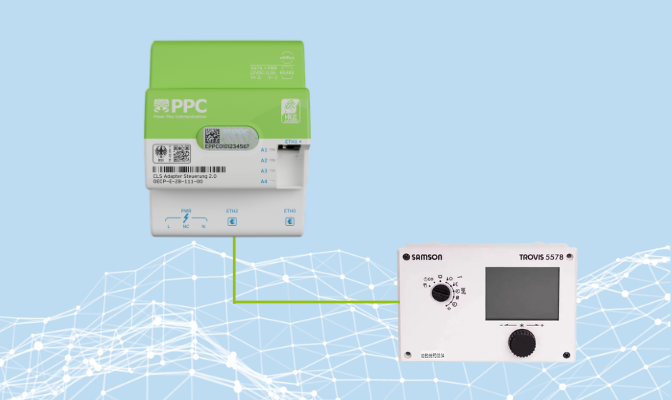
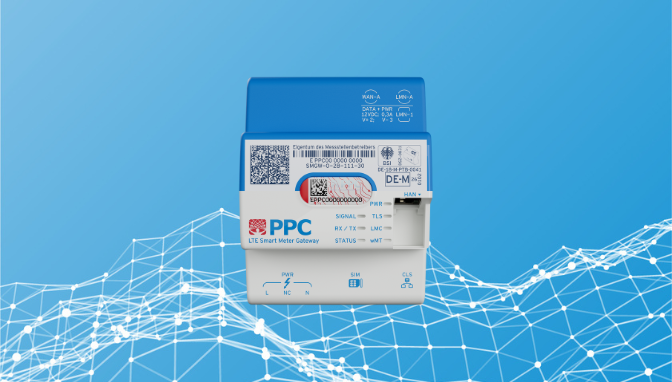
In a laboratory test, a hypothetical utility requirement for temporarily reducing charging power was tested. In this test, the directive was routed from the aEMT backend via the PPC SMGW (Smart Meter Gateway) to the PPC CLS gateway, from there to a Schneider Electric EMS (Energy Management System), and finally to a Schneider Electric wallbox. The Wallbox transmitted the power regulation signal to a Ford electric vehicle, which reduced its charging power in accordance with the specifications. Once the temporary charging power reduction period ended, the electric vehicle resumed charging at full power. The EEBUS Use Case LPC (Limitation of Power Consumption) was used to transmit the power reduction command. This process demonstrates how different systems and manufacturers can work together seamlessly to enable efficient and reliable control of electric mobility.

Figure 2: System Architecture and Project Partners
Interoperability Across Organizational Boundaries
PPC works closely with all major companies in the energy sector to ensure the implementation of these interoperable systems. This cross-organizational collaboration—in this case with Schneider Electric and Ford as strong partner companies—is crucial for ensuring the compatibility and integration of various technologies.
The unIT-e² project is funded by the Federal Ministry for Economic Affairs and Climate Action.
For more information about the Cit-E-Life cluster from the unIT-e² project, visit unit-e2.de