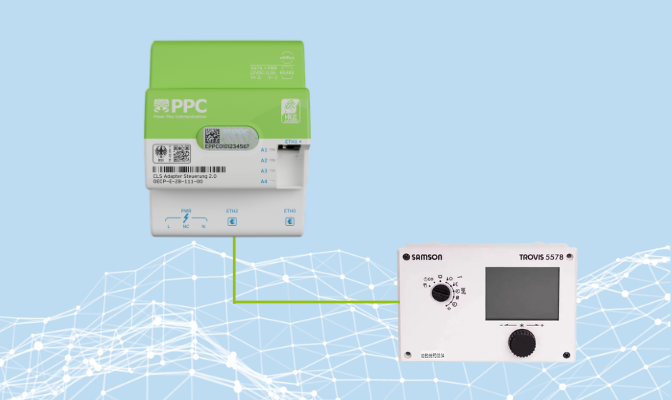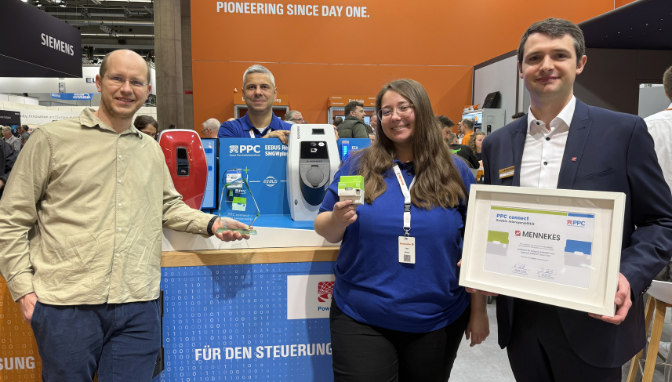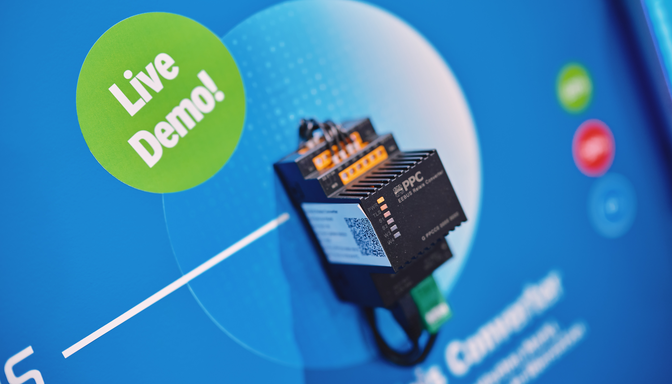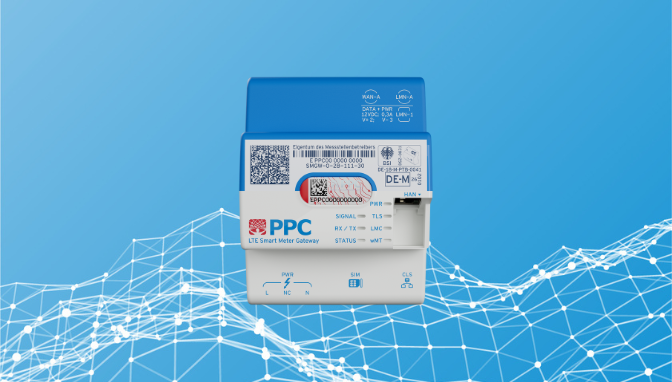

Cologne / Mannheim / Hamburg / Ilmenau / Dresden, February 16, 2024: The SISSY innovation project was successfully launched at the start of the year. The focus of the project, funded by the BMWK, is on further developing the intelligent metering system into a central, secure, and scalable gateway at the controllable grid connection point. The standards created through this project will soon make control in accordance with Section 14a of the Energy Economy Act (EnWG) possible for large numbers of units, thereby making it cost-effective. The project is being carried out by EGS, TMZ, Robotron, KEO, EEBUS, and PPC.
With the start of the new year, the digital energy sector has gained yet another dimension. Since §14a of the Energy Industry Act (EnWG) took effect, the mandatory installation of control devices has officially begun. The communication interface to iMSys is now mandatory to make it easier for users to access the benefits of the digital energy world—whether that means transparent billing, greater energy efficiency, or participation in flexibility markets. Over the coming years, the grid sector can therefore expect a massive increase in the number of flexible generators and consumers. This presents challenges for infrastructure and processes—both for local components and for systems operated by metering point or distribution network operators—that must be addressed.
Large-scale producers, record-keeping, and control standards as key issues for the rollout
In this context, the SISSY research project provides a large-scale testing environment for these processes. Specifically, SISSY focuses on the prototypical implementation of use cases for the integration of large-scale generation facilities and the large-scale integration of smaller flexibility resources into grid levels 6 and 7 (low voltage). In addition to the scalable control solution directly from the SMGW, further innovations will be tested and developed. These include, for example, simplifying the verification and documentation of control processes through the SMGW. Furthermore, the management of large device inventories via a network management system and the creation of standards such as EEBUS for control via iMSys are being advanced. Requirements such as compliance with VDE AR 2829-6 are also decisive in this context. A particular focus is on further developing the SMGW into the central safety anchor at the controllable grid connection point (SteuNA) of properties.
The project’s stated goal is to significantly accelerate the rollout by bringing development milestones forward and implementing changes more quickly. To this end, the project will work closely with relevant committees and associations to incorporate the project results into the agile development of the iMSys infrastructure.
The participating partners—EGS, TMZ, Robotron, PPC, KEO, and EEBUS—play a crucial role in the implementation: Through this network of partners, the entire communication path between the metering point operator and the property can be mapped. This replication of the real-world application environment is essential for identifying, designing, and testing missing processes that closely resemble their eventual implementation in the field. This guarantees a quick and straightforward transfer of research results into practice and their adoption by users in the metering and distribution network landscape. SISSY’s results thus accelerate the overall standardization processes that are essential for a cost-effective rollout of millions of flexible consumers.