
Mannheim, November 2, 2021: First, the Regulation on Remote Reading of Heat Meters (FFVAV) on October 5, and just one month later, the new Heating Costs Regulation (HeizkostenV): What exactly does this mean for you?
With the Bundestag’s passage of the Heating Costs Ordinance, the cycle is complete. Newly installed meters and heat cost allocators have been required to be remotely readable since October 25, 2020. Those installed prior to that date must now be retrofitted or replaced by the end of 2026. This is the logical complement to the Ordinance on Consumption Measurement and Billing for District Heating and Cooling (FFVAV), which took effect in early October and also introduces the requirement for remote readability of metering devices by 2026. In both regulations, the provisions on data protection and data security refer to the smart meter gateway and the guidelines issued by the BSI.
Ingo Schönberg, CEO of PPC, commented:
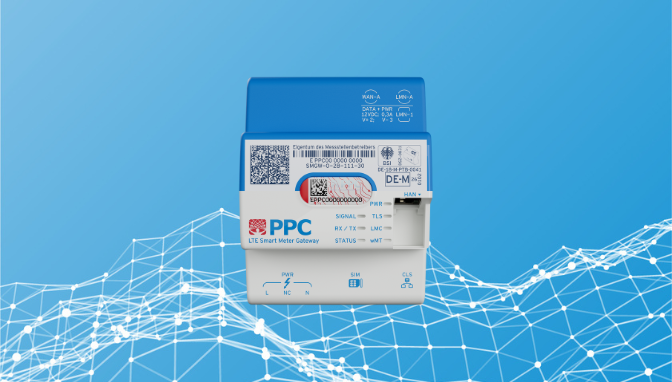
Heat metering thus follows the technical regulations for the electricity sector. This makes things easy, since heat meters have already been integrated into the PPC Smart Meter Gateway for several years. Details on the manufacturers and models can be found in our interoperability list.
Integration of heat meters has already been tested
The easiest way to integrate heat cost allocators into the smart metering system is via the CLS Submetering Adapter, for example, with the Qundis AMR system at the GWG Group or at TMZ in Bad Blankenburg.