
Norderstedt / Bornheim / Cologne / Mannheim, September 18, 2023: Controllable systems are one of the key drivers for a successful energy transition. After all, this allows for the utilization of significant, previously untapped flexibility in the grid to integrate decentralized generators and volatile consumption peaks with minimal losses. In this process, prosumers must not only be integrated into the grid in a way that benefits the grid from the outset, but they must also be brought on board through market-oriented control mechanisms. Synergies between hardware, software, and infrastructure are crucial for the successful, cost-effective implementation of direct marketing. These requirements served as the starting point for the collaboration between Swistec, Next Kraftwerke, MeterPan, and PPC. Whereas control options in the current rollout had previously been viewed with a focus on grid benefits, the partners are now testing how the same infrastructure can also be used for the direct marketing of generation facilities under 100 kW. This opens up new application and business areas for both metering point operators and energy retailers, particularly in the segment of smaller generators. And since only standard components of the intelligent metering system (iMSys) were used for the implementation, the solution can be easily deployed without additional effort in terms of the hardware required.
How was this demonstrated?
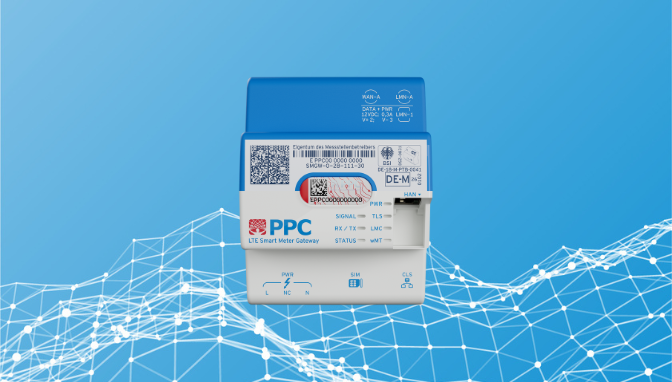
Metering data collected via the PPC Smart Meter Gateway (generation output values with TAF 10 and TAF 14) was transmitted to the Next Kraftwerke direct-marketing backend using the Meter Data Management (MDM) system of the MeterPan MaaS platform. Upon receiving the measurement data, Next Kraftwerke sent a market-driven control signal to the aEMT system (active external market participant) operated by MeterPan, which is also an integral part of the MaaS platform. This signal was then transmitted via the CLS channel established by SMGW and relayed to the connected device via a FNN-compliant control box from Swistec (SwiSBox). The measured power, which had been altered by the switching operation, was then transmitted back to Next Kraftwerke as switching verification via the described measurement data transmission path.
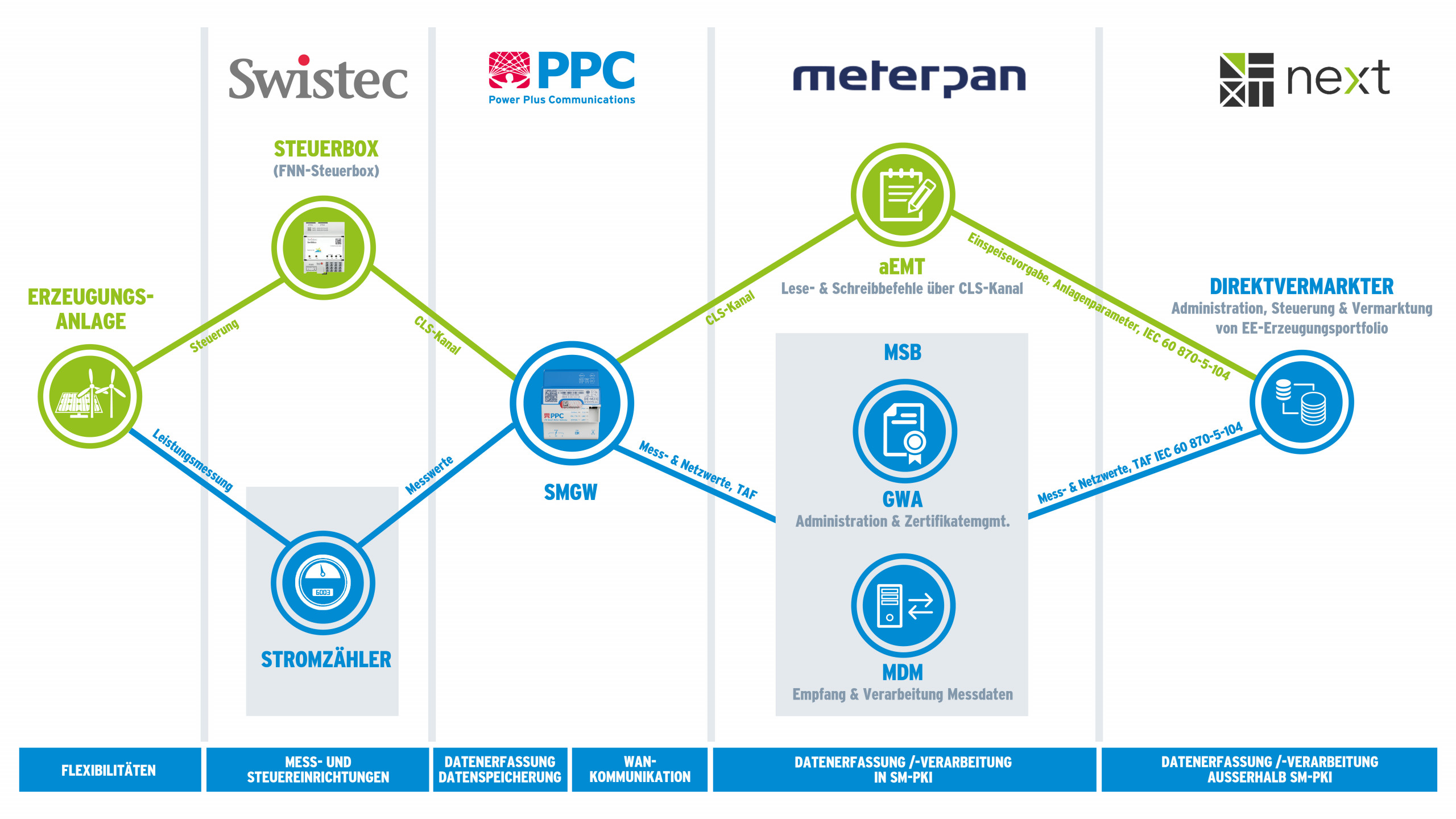
Figure 1: Architectural diagram of the partners and their responsibilities in the process chain
This structure makes it clear that the processing of measurement data and the execution of switching operations must be conceived as integrated and automated processes for business models. Only through seamless communication across device and system boundaries can the synergies of the iMSys infrastructure—currently being rolled out—be leveraged for grid- and market-oriented control of generation facilities. This is where the clear advantages of the interoperability of process chains—made possible by standards—become apparent.
For the demonstration, it was essential to coordinate and integrate the areas of expertise of the various partners in detail. As the project initiator, PPC brought the companies together and provided the conceptual and organizational framework as well as the necessary smart meter gateways. MeterPan provided the test environment, handled measurement data management and the aEMT for test operations, and contributed its comprehensive metering expertise. Cologne-based Next Kraftwerke, as a direct marketer, contributed both its experience in interface integration with data mapping and the downstream systems for energy market access, while Swistec contributed not only the control box as a system component but also its many years of experience in energy sector control.
The successful test is a first step toward enabling a wide variety of participants in the energy market to take advantage of the opportunities offered by the smart grid. Through a standardized infrastructure, direct marketers gain the opportunity to attract new customer segments and involve them in the energy transition. To ensure that this potential can be fully realized even for systems larger than 100 kW, additional factors will need to be considered in the future, regardless of the hardware used. For example, marketing larger systems will require further increasing data resolution, standardizing processes, and clarifying economic considerations. Interoperability and standards also open up new opportunities for metering point operators. Any prosumer or generator who receives an SMGW from any manufacturer through the iMSys rollout can thus be addressed via control signals using the CLS channel. This enables a variety of ways to market flexibility and requires no additional devices for direct marketing of small generation facilities, provided that a control box has been installed by the MSB or VNB.
The elimination of the strict separation between grid-oriented and market-oriented control—and the synergies this generates—opens up new possibilities. Control using the SMGW offers direct marketers a standardized solution that can be used for all prosumer end customers throughout Germany.