
First Charging Station Now in Operation
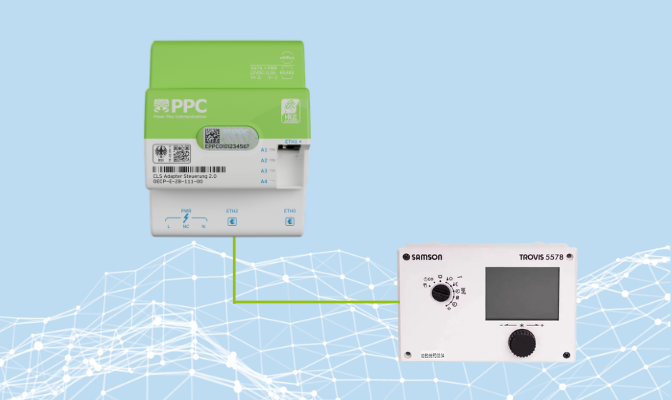
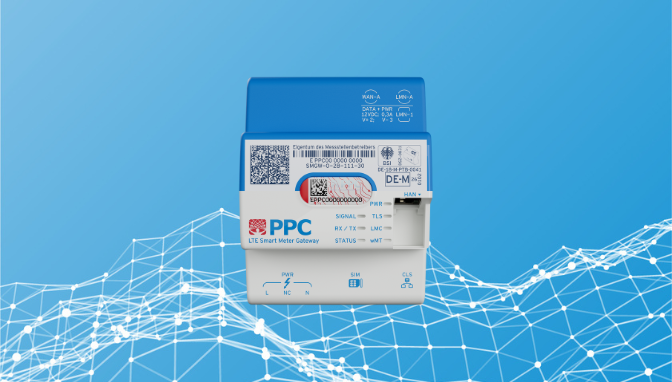
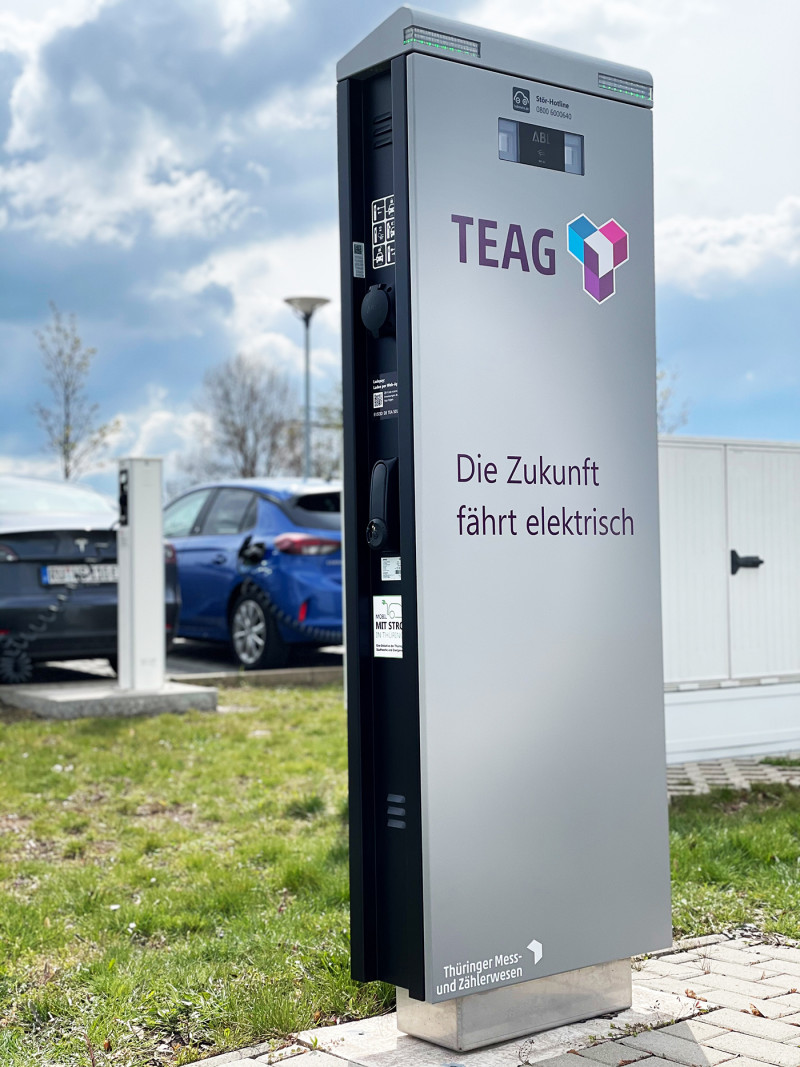
In mid-April, as part of the “Implementation of Intelligent System Management” project, the first charging station from manufacturer ABL was successfully connected to an intelligent metering system in the campus parking lot. The charging station communicates with the backend infrastructure via the secure CLS channel of the Smart Meter Gateway. To achieve this, the Robotron software RCSoE was implemented on PPC’s CLS hardware platform. This software handles bidirectional communication between the charging station and the backend system to enable intelligent control.Jörn Lutze, Managing Director of TMZ: “From a technical standpoint, this lays the groundwork for reconciling the demands of the digital transformation of the energy transition and the expansion of electric mobility in a way that benefits the grid and is future-oriented. For example, electric cars can be charged during times when electricity is very inexpensive under a variable-rate plan. At the same time, this reduces the load on the power grid. Both electric vehicle users and grid operators benefit.” The charging station is being used extensively by TEAG employees. Additional charging stations will follow in the course of the year.
Ingo Schönberg, CEO of PPC, is pleased: “As an interface between sustainable electric mobility and the energy sector, our smart meter gateway has once again proven its interoperability and practicality in Erfurt.”
Dr. Christian Hofmann, Head of the Metrology Division at Robotron, adds: “The solution implemented on campus will enable long-term added value in the area of charging infrastructure by leveraging the secure infrastructure of the Smart Meter Gateway. This allows us to make a significant contribution to mobility in the city of tomorrow.”
OCPP in Action
For the technical integration of the charging station, the partners are relying on the “Open Charge Point Protocol” (OCPP). This vendor-neutral and royalty-free protocol has already established itself internationally as the standard for charging electric cars. Unlike proprietary protocols, OCPP offers numerous advantages in terms of comprehensive communication integration for charging technology.
“We are pleased that, together with PPC and Robotron, we have successfully implemented the first-ever connection of a charging station via the CLS channel of the smart metering system using OCPP, thereby demonstrating a practical solution for future-proof charging infrastructure,” explains Sebastian Gruner, Head of Metering Point Control at TMZ.
The solution enables TMZ to make all relevant system data available for further analysis. For example, the data can be continuously compared with current grid status values in the backend to gain insight into the load on the distribution grids. This is the only way to specifically manage loads such as electric vehicles in order to maintain the stability of the power grid. If this potential is harnessed properly, electric vehicles could eventually serve as flexible energy storage systems.