

















While digitalization in the electricity sector has already gained momentum and sector coupling is also advancing in the mobility sector, the heating sector is still proceeding cautiously. There is a lack of transparency in local and district heating networks, control options, and an integrated, holistic view of electricity and heat. These issues, along with the sector coupling and digitalization required for municipal heat supply via a uniform and standardized iMSys infrastructure, are being developed and tested as part of the WARAN research project. In doing so, the consortium behind WARAN has set out to do nothing less than lay the foundation for a significant acceleration and digitalization of the heating transition, thereby making an active contribution to the success of the cross-sector energy transition in Germany. WARAN thus addresses the dynamic regulatory developments surrounding the GNDEW, FFVAV, and EnWG to structure and implement the necessary advancements in components, systems, and processes in collaboration with a broad-based consortium.
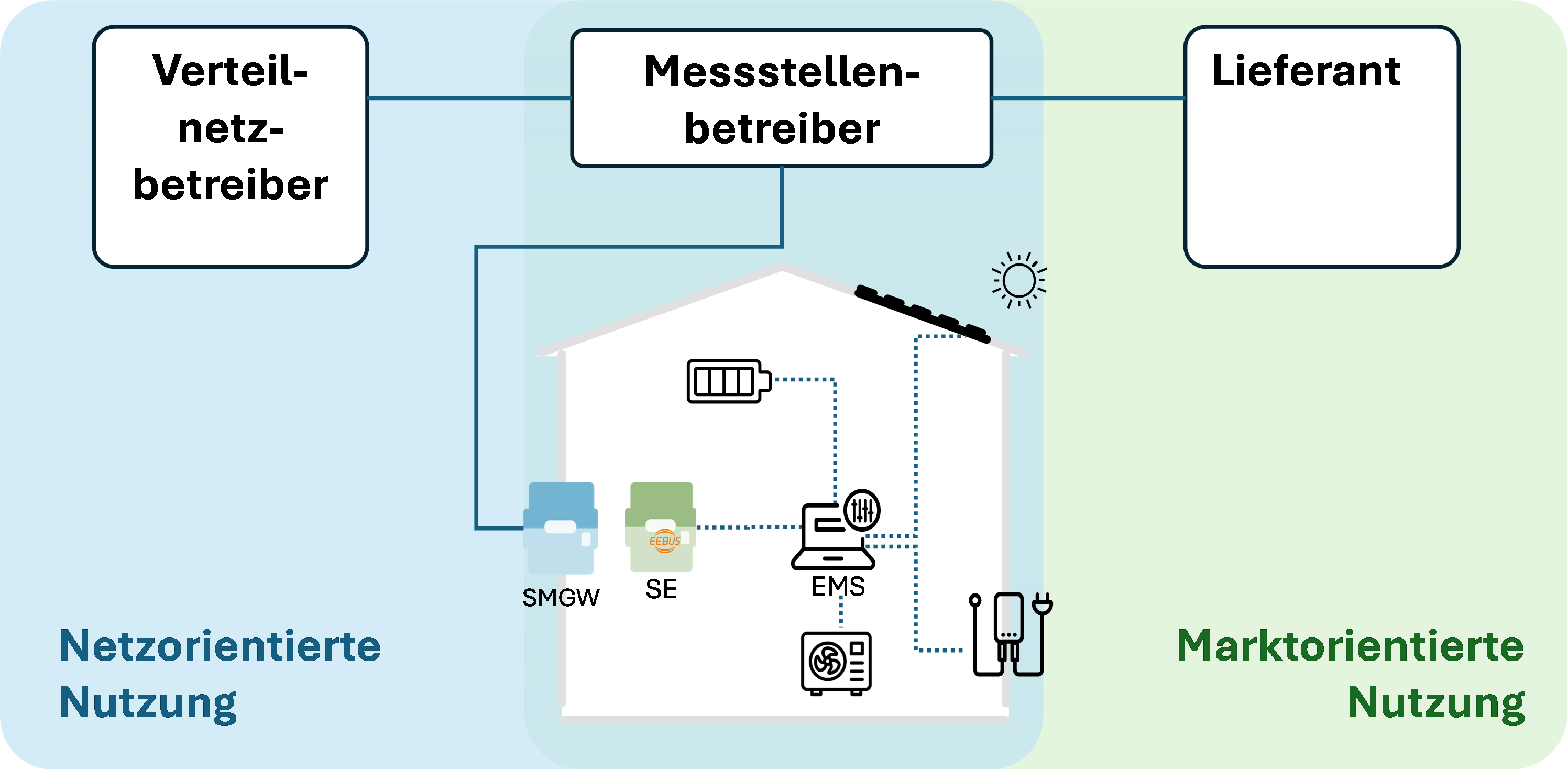
As part of the project, PPC plans, in particular, to enhance the iMSys infrastructure for mapping power-to-heat systems, for optimized operation of heating networks, and as a basis for integrating the electricity and heating sectors—with the goal of being able to map heat-related use cases within a holistic, end-to-end perspective across the entire interconnected system.
In addition, an ongoing dialogue will be established with the roadmap team at the BMWK, the BSI and BNetzA, as well as other relevant bodies, in order to incorporate the project results—in the form of concrete proposals and recommendations—directly into the agile further development of the technical and regulatory framework for a cross-sectoral heat transition.
The energy transition is increasingly shifting to low-voltage grids: photovoltaics, electric mobility, heat pumps, and home storage systems are driving up both feed-in and peak loads. This poses growing challenges for grid stability, but at the same time, the smart use of flexibility creates significant economic potential. Our discussion paper aims to show how the existing iMSys infrastructure can be used to evolve from a primarily curative approach to a market-oriented, preventive management strategy. The key lies in the concept of the envelope curve.